
When was the last time a fruit blew your mind?
A tale of mystery, patience and "viral" citrus

Blakely rushed into the office and announced, “there’s a new kind of citrus and it’s the best fruit I’ve ever tasted.” It was 2012 or 2013 and my good friend and work partner was emphatic that I had to try it immediately. We headed to Whole Foods at lunchtime and Blakely led me to a pile of massive orange fruits. The skin was bright and bumpy and there was a prominent bump at the top. This was a Sumo Citrus. I balked at the price but Blakely assured me it was worth it.
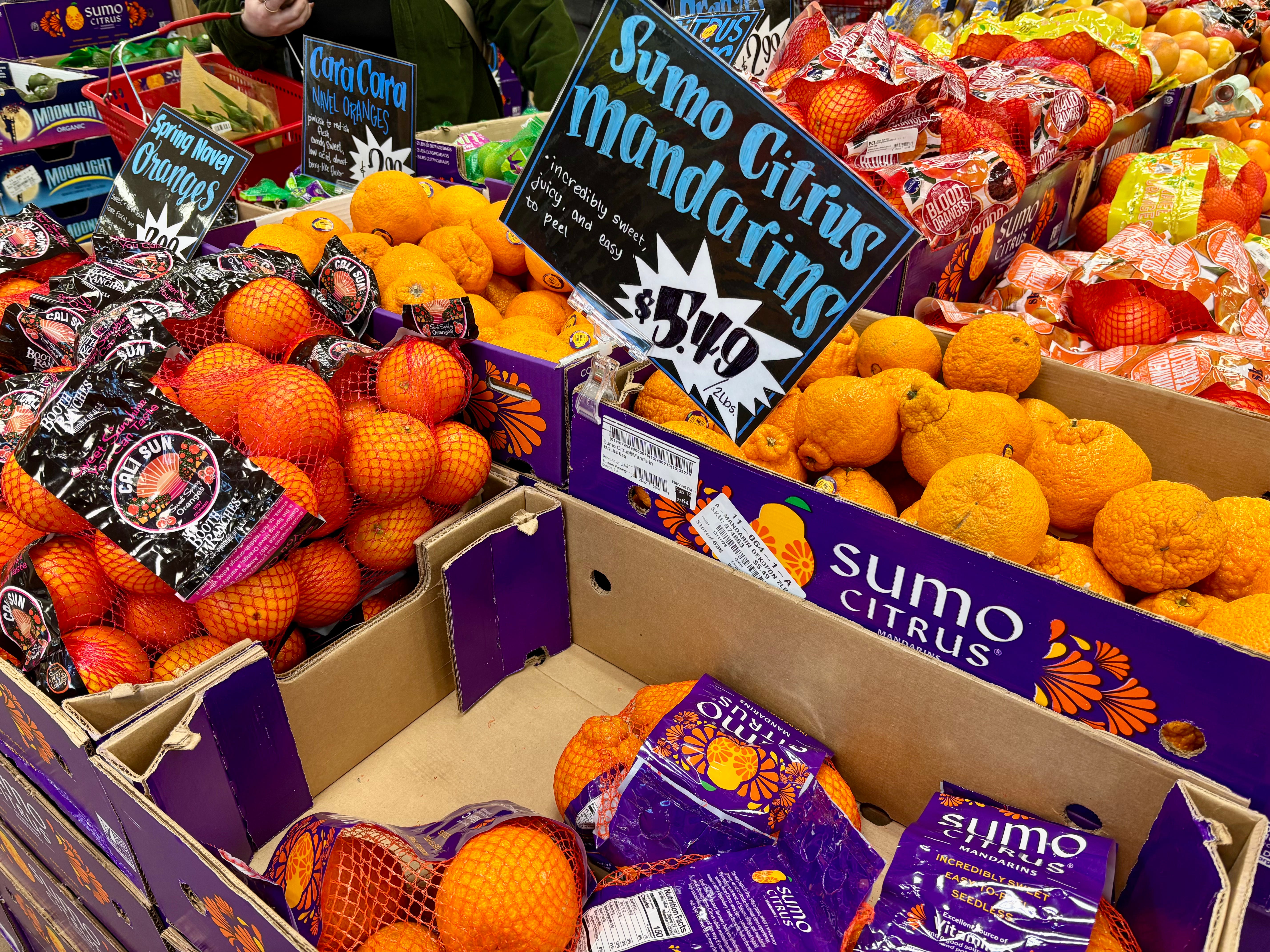
Back at the office we peeled the fruit. It was the most pleasant citrus to peel and the sections came apart remarkably easily so it was convenient to share. I took a bite. It was incredibly sweet. It was juicy. It was just the right amount of tart. It was the most perfectly balanced citrus in the world. I told everyone I knew. Now, I was a Sumo proselytizer too.
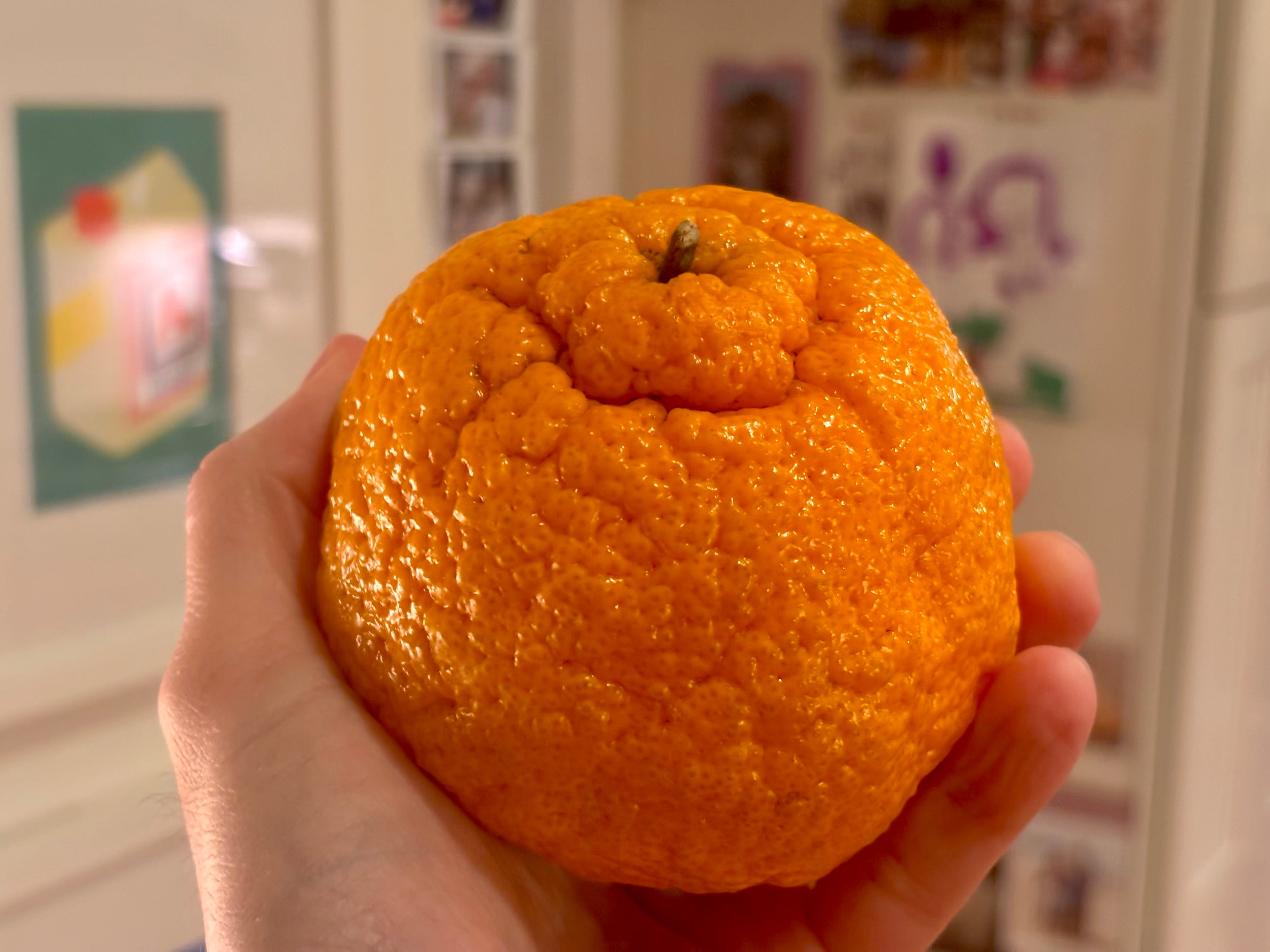
Every year, Sumos show up at the supermarket around January and this season – as I took my first juicy bite – I wondered how such a thing came to exist. Now that we’re all in this Secret Plant Club together, I figured it was time I look into the secrets of the Sumo Citrus.
I reached Roger Smith at his office in California. He grew up on a naval orange orchard that had been planted by his great grandfather in 1912. He’s a fourth-generation citrus grower – he jokes that if he gets cuts, “he’ll probably bleed orange juice” – and he’s one of the people responsible for introducing the Sumo to American mouths.
Roger had heard about this mythic hybrid mandarin long before he ever tasted it. The Sumo is a popular variety in Japan, where they’re known as Dekopon. They started growing them commercially in the seventies but the unique fruit had taken decades to develop. Through hand pollination, those Japanese growers crossed the Ponkan Mandarin (a popular Asian mandarin) with the Kiyomi Tangor (itself a hybrid of a mandarin and a sweet orange). They planted the resulting seeds and waited until the seedlings grew into saplings, saplings into trees, and finally they produced fruit. Roger explained that although this process might sound straightforward, it’s far from a sure thing:
“It’s about 10% odds that whatever you’re doing, you’re going to actually get a seed. And even then, the seed may not necessarily yield what you’re after. So you have to do literally thousands of these. The Japanese say it’s one in 40,000 – so for every 40,000 that they try to make, they might get one commercial variety.”
In the late nineties, a citrus grower was able to ship budwood – which can then be grafted to grow a tree – from a Japanese Dekopon tree to the University of California’s Citrus Clonal Protection Program. There was a multi-year quarantine involved and at some point, the university seemingly lost track of the specimen. That budwood, which was later grafted to create four trees, sat forgotten in a greenhouse or maybe a field. It had been labeled a “Shiranui mandarin,” another name for the fruit, so folks who were looking for a Dekopon wouldn’t have spotted it. When Roger first discovered that quartet of Dekopon trees around 2006, it was already early spring and the fruit was overly ripe and nearly “rotting on the tree,” as he recalls, “but you could tell that there was something special about this variety. And of course, the big thing was that we already had the testimonies from Japan.”
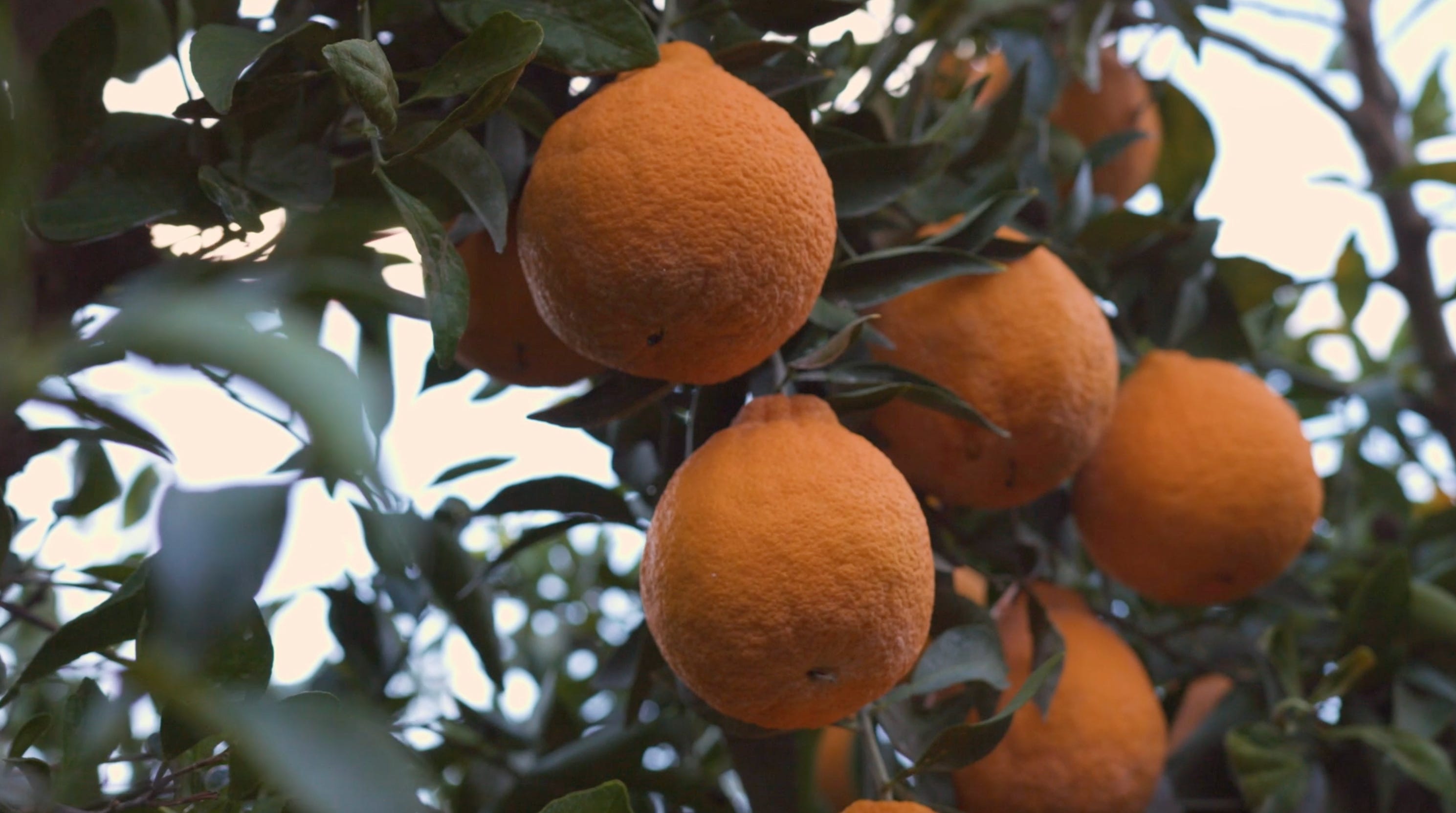
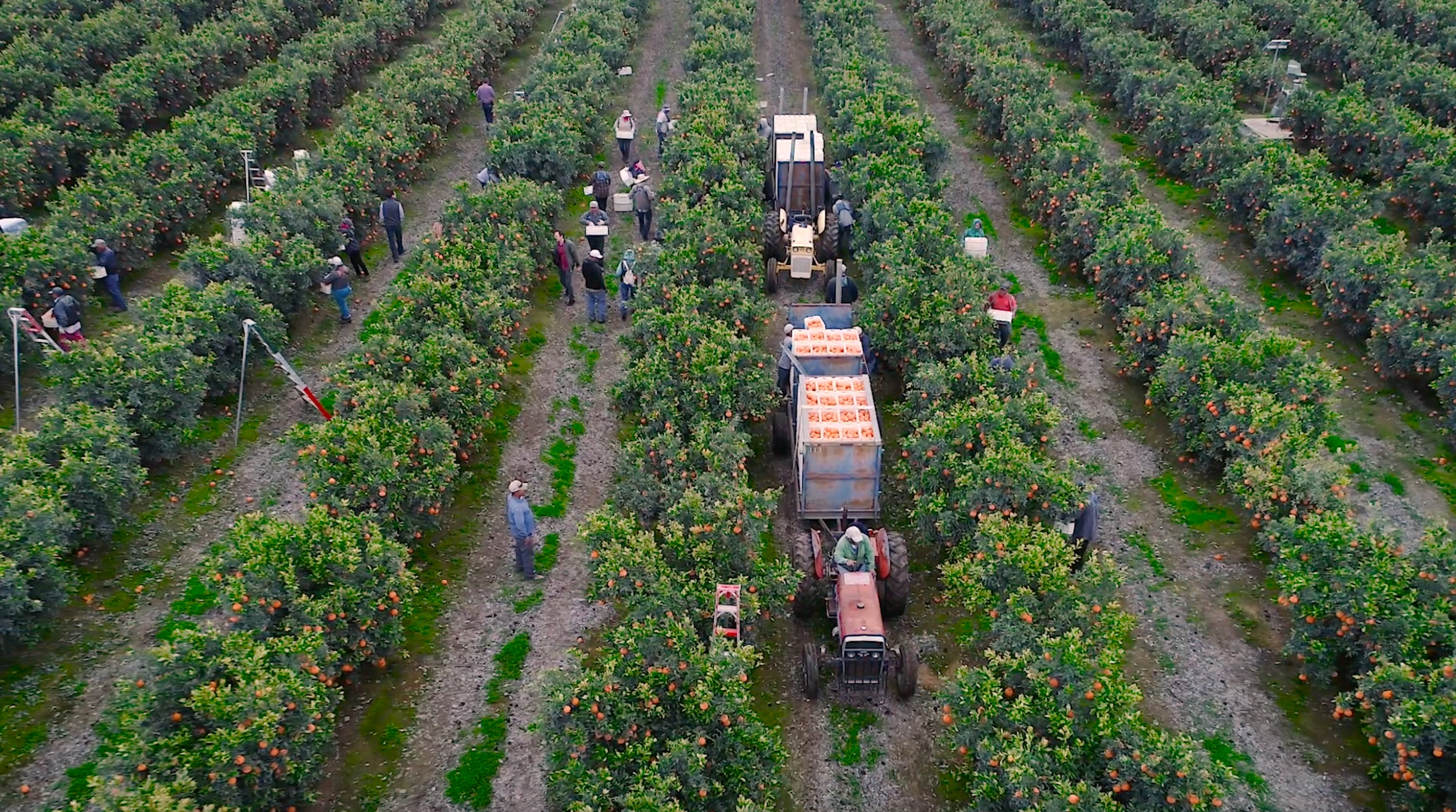
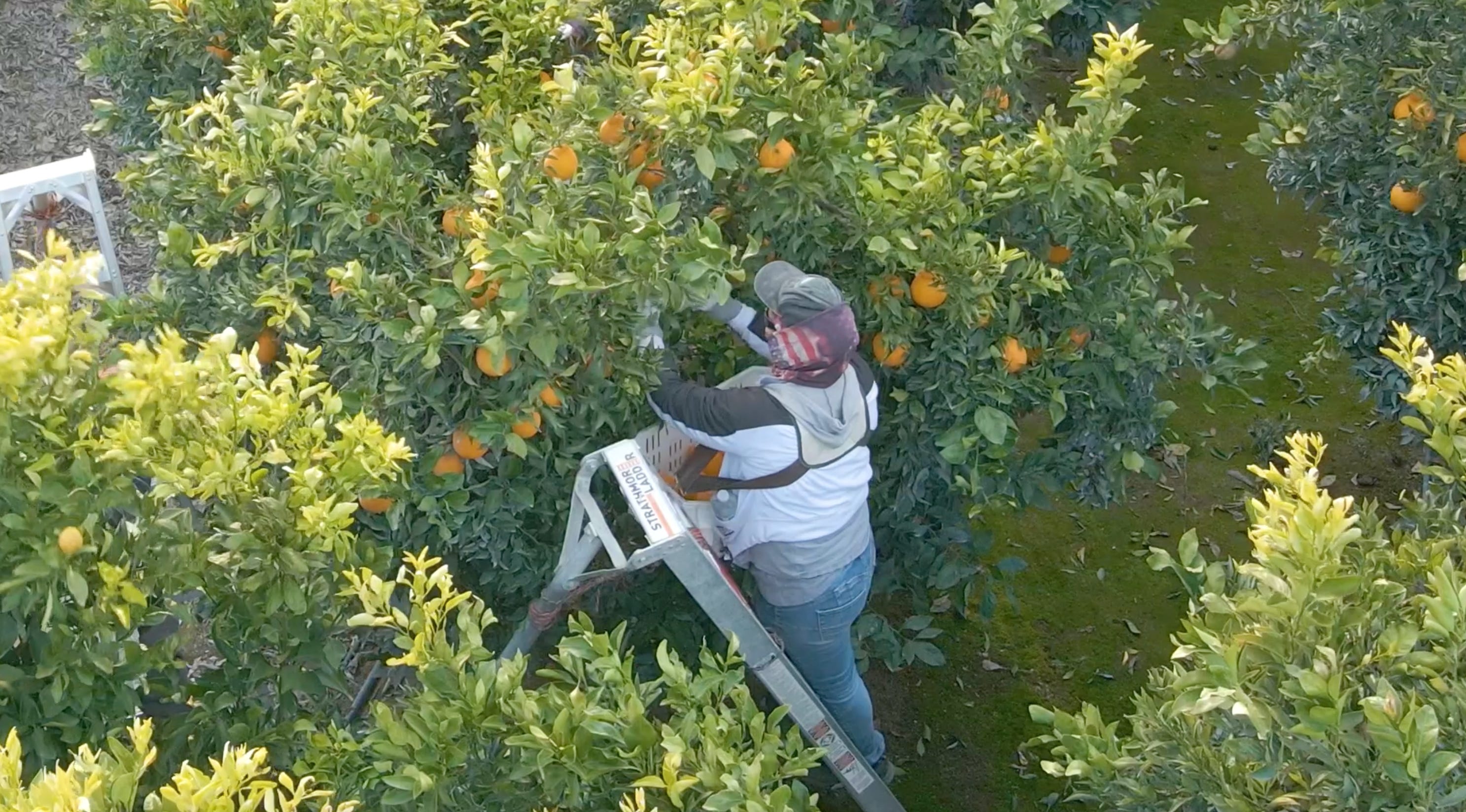
A growing group, of which Roger was a part, was formed in California’s Central Valley and 300 acres of grafted Dekopon trees were planted in 2008. The first harvest arrived in 2010 but, as Roger explained, “juvenile fruit on citrus tends to be fairly low quality and we wanted to hit the stores with the best fruit possible” So they waited. In 2011, they had enough fruit to go to market. They made a deal with Whole Foods and that very first harvest of Sumos was shipped to their stores in Southern California. Roger initially worried that 300 acres of Sumos was too many for “this little nichey thing” but then he saw how “people drove from across Southern California to find them.” The fruit went viral. In 2012, the Sumo was stocked at Whole Foods across the nation.
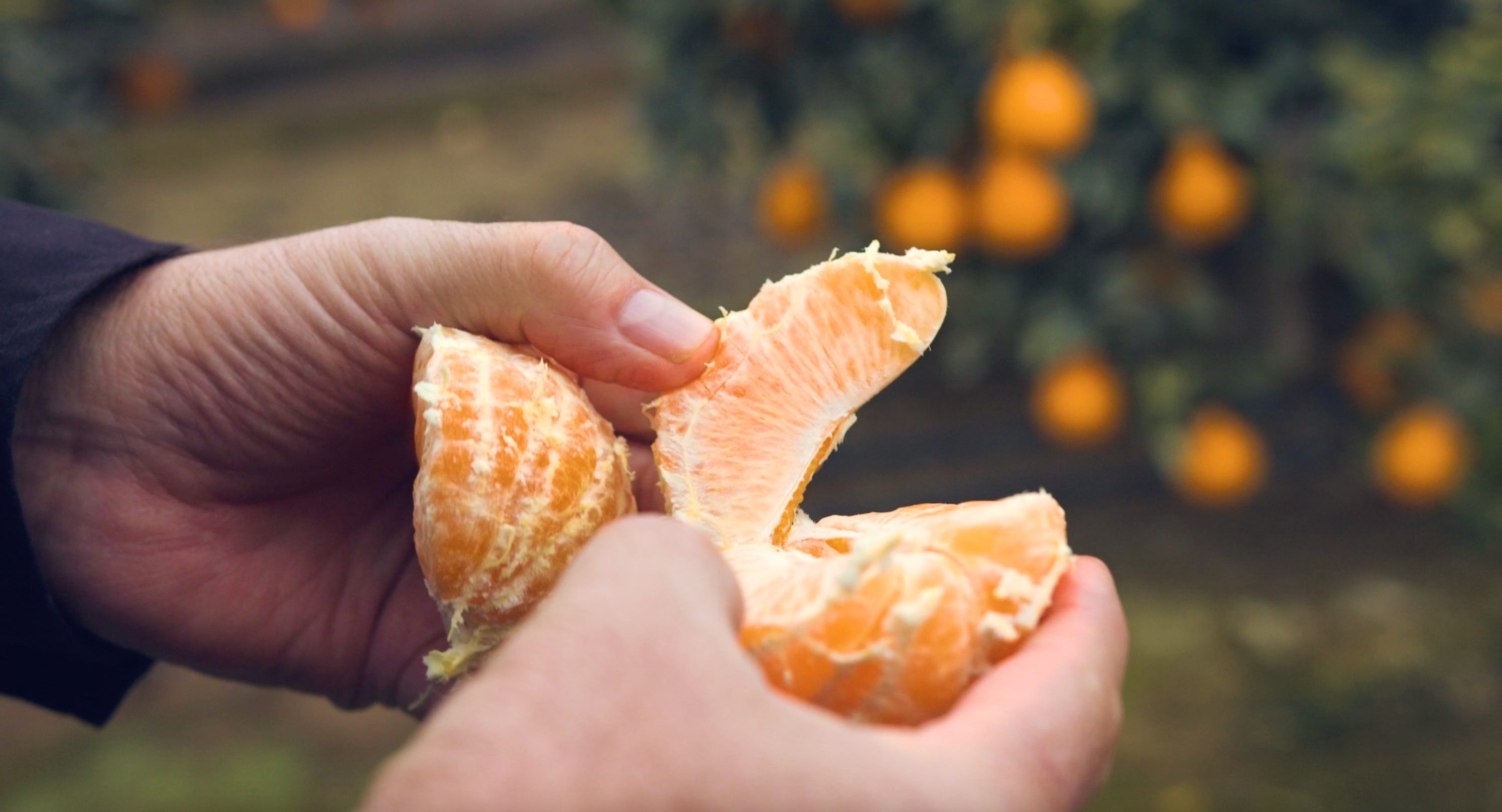
Roger explains that Sumo are a little tricky to grow since they have a “fragile rind” which means that they are especially susceptible to weather and can be bruised easily. In Japan and South Korea, they grow a lot of Dekopon inside massive greenhouses to avoid climate-related defects. But it’s clear that those challenges are worth it as Roger extolls the fruit’s virtues:
“It peels cleanly. You can segment it with no mess and when you peel it, there’s this aroma that comes out of it that is very distinctive. Of course, the most important part is what happens when you pop it in your mouth. You have that soft membrane that is holding all the goodness in and then you bite on it and all of a sudden this flavor, that is just undeniably unique, comes through. It has high sugar content and an acid content that adds the brightness to the flavor. It’s one of the reasons why it’s a sensation. It’s not just one or two really cool things. It’s a lot of cool things. And even though they’re not the cheapest citrus in the supermarket, the shopper gets a lot of value for what they’re buying.”
By 2013 they started planting more orchards of the now-beloved citrus. And here’s the crazy thing: even though the Sumo is already undeniably sweet and tart and delicious, that taste may get even better over time. As most citrus trees mature, the fruit continues to improve. Roger says that an 80 or 90 year old navel orange tree is “the gold standard.” The Sumos we’re eating now come from trees that are not even twenty years old. As a citrus professional, Roger can taste the difference between a fruit from the 2008 orchards and the more recent plantings. “It’s hard to get better than what it already is,” Roger says, “but for those of us who have the luxury of wandering around and picking free Sumo, you can taste it.”
I still remember tasting that first Sumo and being wowed by this whole new flavor and mouth feel. These days it’s rare that I taste a new flavor or experience a new texture in food. I suppose I could hop on a plane and visit an exotic fruit market to find new tastes but I think I’ve already experienced all the fruits and vegetables in my local produce section. Will American consumers ever get to experience another new fruit on the level of Sumo? I asked Roger and he admitted that “we’re lucky to get one.” This Sumo phenomenon is pretty unique.
But that’s not to say he’s not trying. Roger planted a grove of test citrus trees back in 2009 and now he’s patiently waiting for them to fruit. Once they do fruit he’ll have to wait a few more years because, as I’ve just learned, more mature citrus taste better. And then he’ll finally know if he has something special growing. Could he have the next “viral” citrus? Roger will keep us posted. Until then, you can keep enjoying Sumo citrus. At least until April, when the season ends.
Have you ever had a fruit or vegetable blow your mind? When was the last time you experienced a brand new flavor? I’d love to hear about it.
And one more thing: I was curious how American Sumos compare to the Dekopon grown in Japan and Roger told me about a group of Japanese citrus growers who visited him recently. The group was envious of his orchard because the California climate seems to do magical things to the fruit. “They don’t have the heat that we have,” Roger explained, “so it’s much harder for them to get the acid and they don’t get the same sugar levels.” American Sumos are also a darker shade of orange than those grown in Asia.
When I was in my early twenties, post college and waiting to start graduate school I was hanging out at my parents place and the neighbors let me put in a small vegetable garden in the vacant lot next door. The soil was a light sandy loam (old marine terrace, we were a couple blocks from the beach) and the area had been used for farming strawberries and Lima beans before houses were built. I grew a few crops, (the green beans were amazing in that soil) but it was the French breakfast radishes which became noteworthy. I didn't harvest all of them before I headed back to school and so they went to flower. They ended up crossing with the wild European radishes that are quite a common weed along the SoCal coast. The wild radishes grow long diakon type roots but a very fibrous, sharp tasting, and pithy. As luck would have it seeds grew from the cross with generous winter rains and when I came home for spring break they were harvestable. It was the best of both worlds, a daikon style radish with the creamy mild flavor of perfectly grown French breakfast radishes. I only wish I'd kept some seeds going from the offspring though I think that sandy soil had a lot to do with it too.
I just discovered the wonders of the Sumo orange this year when I overheard a woman telling another shopper at my local Kroger that it would change his life. I can’t speak for him, but based on my experience, she wasn’t wrong. Thank you for the timely deep dive into the secrets and mysteries of this enormous fruit!